
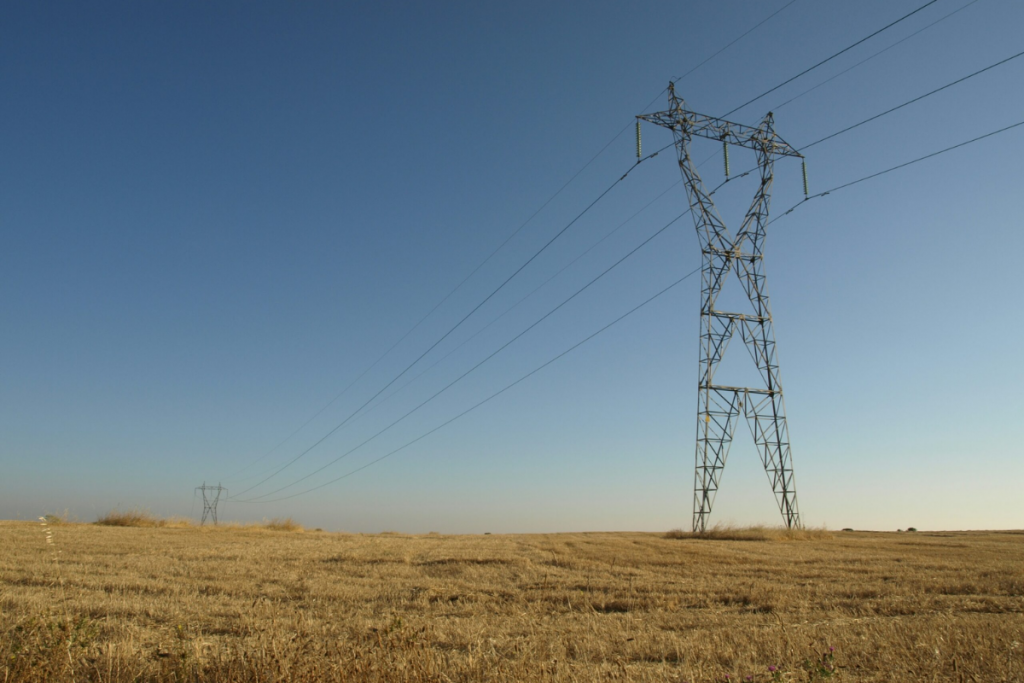
Texas lawmakers are currently reviewing one of the largest infrastructure projects in the state’s history. The proposed network of 765-kilovolt transmission lines would stretch across more than 1,200 miles of Texas land. The lines form a core part of the Strategic Transmission Expansion Plan tied to the Permian Basin Reliability Plan, and are intended to transport power to the Permian Basin to meet the rising electricity demand driven by population growth, oil and gas development, and data centers.
During an interim hearing of the Senate Business and Commerce Committee this week, members heard from regulators, utility companies, and numerous landowners about the project’s scale, cost, and impact on private property. Concerns included the use of eminent domain, effects on property value and rural landscapes, the seemingly quick approval timelines from the Public Utility Commission of Texas (PUC), and whether landowners received adequate notice about the project.
Republican lawmakers have stressed that Texas must expand its energy infrastructure to support growth and reliability, but insisted that the expansion cannot come at the price of private property rights. Texas Senator Kevin Sparks of Midland and State Representative Brad Buckley of Salado have both formally urged the Public Utility Commission to delay its final decisions on the proposed $2 billion 765-kVproject until after the 2027 legislative session. They have argued that the plan should be revisited in light of additional natural gas generation in the development queue and that lawmakers need time to evaluate alternatives and process reforms.
PUC of Texas Chairman Thomas Gleeson noted during the hearing that a 2023 law had required ERCOT to develop a reliability plan for the Permian Basin but did not specifically call for the 765-kV system. Lieutenant Governor Dan Patrick and State Senator Charles Schewerter, the committee chairmen, have called for the PUC to deny any pending applications so that the Legislature can override the Certificate of Convenience and Necessity process to better protect Texas landowners. The Texas House has also scheduled an interim hearing on the issue.
For many Texans and their representatives, the debate is not whether the state needs additional power capacity. It is whether the government will respect the rights of ranchers, farmers, and other landowners as infrastructure is being planned and built. Republican leaders continue to frame the protection of private property as a core Texas value that must not be compromised even as the state grows.