
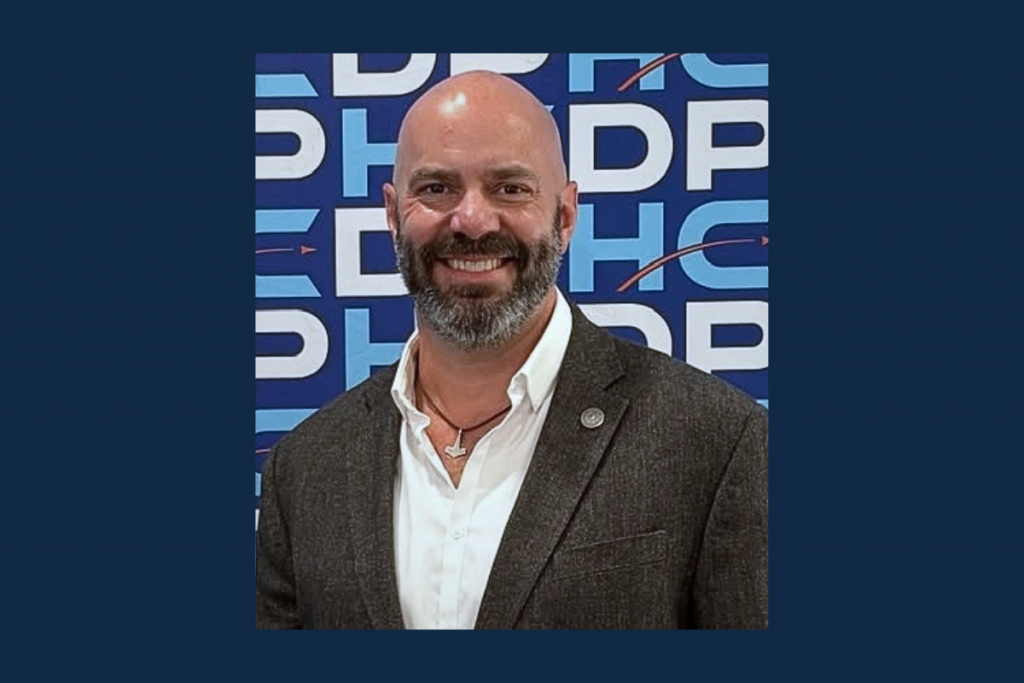
Albert Wittliff, the Democratic nominee for Texas House District 129 in Southeast Houston, says the long-planned Ike Dike, which would protect Houston-area industry, is not worth the cost. “The $31 billion price tag plus the massive changes to nearby property and ecology would be devastating,” he wrote in May. “It’s not the miracle cure it promises to be.”
In an earlier post, he called the project “wasteful.” He has pointed instead to smaller local work, such as Exploration Green, a Clear Lake detention pond project, as the kind of environmental spending he prefers.
The Ike Dike is the common name for the Galveston Bay Barrier System, the centerpiece of the Coastal Texas Project. Plans include an 82-foot, two-mile gate at the mouth of the bay, plus dunes, seawall work, and beach nourishment. The barrier portion is estimated at just over $31 billion.
Congress authorized the concept in 2022. The Gulf Coast Protection District has awarded design contracts, but federal construction money has barely started. The federal share is supposed to be 65%. Texas has put about $950 million toward coastal work. Hurricane Ike in 2008 killed 43 people and caused about $30 billion in damage.
House District 129 covers the Clear Lake and Bay Area communities that sit between Houston’s petrochemical plants and the Gulf. Wittliff faces Republican Scott Bowen, a chemical engineer and former Clear Creek ISD trustee, on November 3. Incumbent Rep. Dennis Paul is leaving the seat to run for the Texas Senate.
Wittliff’s campaign site says hurricanes are “a fact of life” and that the state should prepare so residents are not “scrambling.” He has not backed the Ike Dike as that preparation. Supporters of the barrier say a major surge through Galveston Bay would hit the Ship Channel and the plants that employ the district. Wittliff’s opposition is facing increasing scrutiny as he campaigns in this coastal community.
Election Day is Tuesday, November 3rd.